
With joy and happiness.
As we explained earlier, Sri Lanka’s identity is defined by a rare harmony of compact geography, profound history, and unparalleled natural diversity. By journeying inward from the lush coastal plains that frame the island, travelers seamlessly transition from sun-drenched, world-class surf breaks into wildlife-rich jungles like Yala and Minneriya, where dense populations of leopards and elephants roam undisturbed. Rising sharply from these lowlands is the misty south-central Hill Country, a cool alpine sanctuary sculpted by emerald tea plantations that still produce the world's finest Ceylon tea. This geographical brilliance is deeply intertwined with a recorded history spanning over 2,500 years, visible in the sacred ruins, towering stupas, and ancient fortresses of the Cultural Triangle. Having successfully navigated colonial rule, transitioned into a modern republic, and overcome the trials of a civil war, today's Sri Lanka is powered by a resilient, multi-ethnic population of 22 million people. Visitors are consistently captivated not just by the tangible beauty of the island's eight UNESCO World Heritage sites, but by the profound warmth, high literacy, and deep-rooted spiritual traditions of a society that seamlessly blends its historic legacy with a vibrant, forward-looking future.
Where is Sri Lanka Located ?
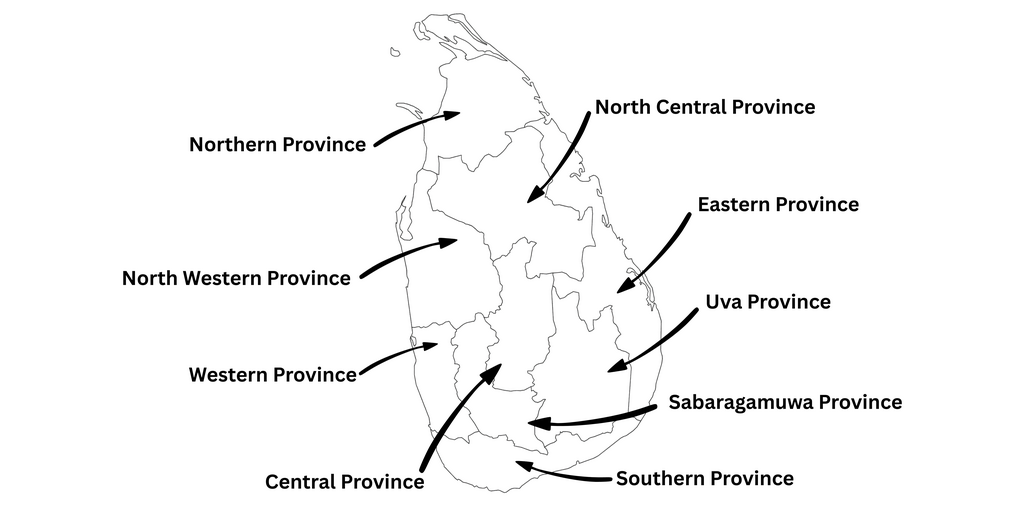
Sri Lanka is divided into 09 main provinces; They are, Southern Province, Western Province, North Western Province, Northern Province, North Central Province, Eastern Province, Central Province, Sabaragamuwa Province and Uva Province.
There are many popular cities & villages for tourists in Sri Lanka, including Negombo, Sigiriya, Dambulla, Colombo, Pinnawala, Kandy, Anuradhapura, Polonnaruwa, Nuwara Eliya, Ella, Kithulgala, Sinharaja, Yala, Tissamaharamaya, Arugam Bay, Jaffna, Trincomalee, Mirissa, Koggala, Galle, Hikkaduwa, Ambalangoda, Unawatuna, and Bentota.
The capital city of Sri Lanka is SriJayawardenapura Kotte. It is located in the Colombo district of western province.
Colombo is known as the commercial center of Sri Lanka and can be described as a hub for many state and private enterprises, as well as a focal point for commercial activity.
Sri Lanka is a multi-ethnic nation with four major ethnic groups making up over 99% of the population. While the government officially recognizes up to 19 distinct ethnic sub-communities, the society is broadly classified into the following primary groups.
Four Major Ethnic Groups,
01. Sinhalese - Majority
02. Sri Lankan Tamils
03. Sri Lankan Moors (Muslims)
04. Indian Tamils
Minor Ethnic Groups,
05. Burghers
06. Malays
07. Veddas
08. Sri Lankan Kaffirs
Four major religions are legally recognized and practiced in multi-religious Sri Lanka. Buddhism holds the highest position under the constitution, alongside long-established communities of Hindism, Islam, and Christianity.
Sri Lanka can be visited at any time of the year. Generally, April, October, November, and December can be considered the rainy months, while the remaining months typically experience dry weather. February, in particular, is often characterized by very hot, dry conditions. The average maximum temperature in Sri Lanka ranges from 32°C to 35°C, while the average minimum temperature ranges from 10°C to 15°C. The lowest temperatures are predominantly recorded in the city of Nuwara Eliya. At times, these temperature values may fluctuate; this occurs due to weather changes.
Sri Lanka's 26 national parks protect a wide variety of ecosystems—including dry-zone scrublands, montane cloud forests, and marine coral reefs—all under the management of the Department of Wildlife Conservation.
Complete List of National Parks,
Adam’s Bridge Marine National Park
Angammedilla National Park
Bundala National Park
Chundikkulam National Park
Delft National Park
Flood Plains National Park
Gal Oya National Park
Galway's Land National Park
Hikkaduwa National Park (Marine)
Horagolla National Park
Horowpathana National Park
Horton Plains National Park
Kaudulla National Park
Kumana National Park
Lahugala Kitulana National Park
Lunugamvehera National Park
Madhu Road National Park
Maduru Oya National Park
Minneriya National Park
Pigeon Island National Park (Marine)
Somawathiya National Park
Udawalawe National Park
Ussangoda National Park
Wasgamuwa National Park
Wilpattu National Park
Yala National Park
Most Popular National Parks,
Bundala National Park
Gal Oya National Park
Horton Plains National Park
Kaudulla National Park
Kumana National Park
Minneriya National Park
Pigeon Island National Park (Marine)
Udawalawe National Park
Wasgamuwa National Park
Wilpattu National Park
Yala National Park
Sri Lanka's official network of 11 national museums is administered by the Department of National Museums, led by the flagship Colombo National Museum (founded in 1877) and supported by 10 regional and specialized branches.
Complete List of National Museums,
Colombo National Museum
National Museum of Natural History (Colombo)
Dutch Museum of Colombo
Independence Memorial Museum (Colombo)
National Museum of Kandy
National Museum of Galle
Galle Maritime Museum
Ratnapura National Museum
Anuradhapura Folk Museum
Polonnaruwa Ancient Technology Museum
Magampura Ruhunu Heritage Museum (Hambantota)
Most Popular National Museums,
Colombo National Museum
Independence Memorial Museum (Colombo)
National Museum of Kandy
National Museum of Galle
Galle Maritime Museum
Anuradhapura Folk Museum
Polonnaruwa Ancient Technology Museum
Sri Lanka is home to two primary rainforest ecoregions (Lowland Wet-Zone Rainforests and Montane Cloud Forests) which contain over 40 distinct protected rainforest reserves and complexes. These remaining patches cover around 2.14% of the country's land area and host over 60% of the island's endemic plant species.
Popular Rain Forests,
Sinharaja Forest Reserve
Kanneliya-Dediyagala-Nakiyadeniya (KDN) Complex
Kottawa Rainforest & Arboretum
Bodhinagala Forest Reserve (Dombagaskande)
Yagirala Forest Reserve
Kitulgala-Makandawa Forest Reserve
Udawatthekele Sanctuary
Endemic In 12 Months
Beach Experience

Sports & Adventure

MICE Programs
People & Culture
Religious
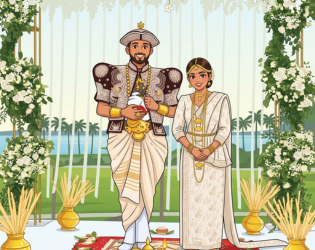
Wedding

Wellness
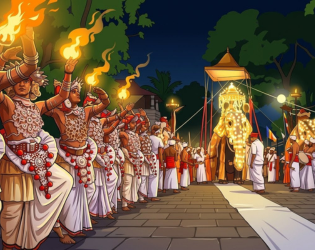
Heritage
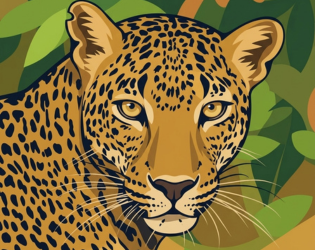
Nature & Wild
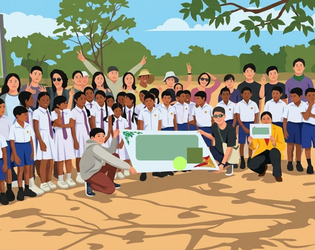
Volunteer Programs
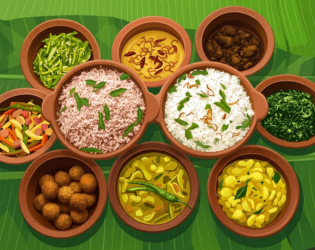
Culinary

Shopping & Festive
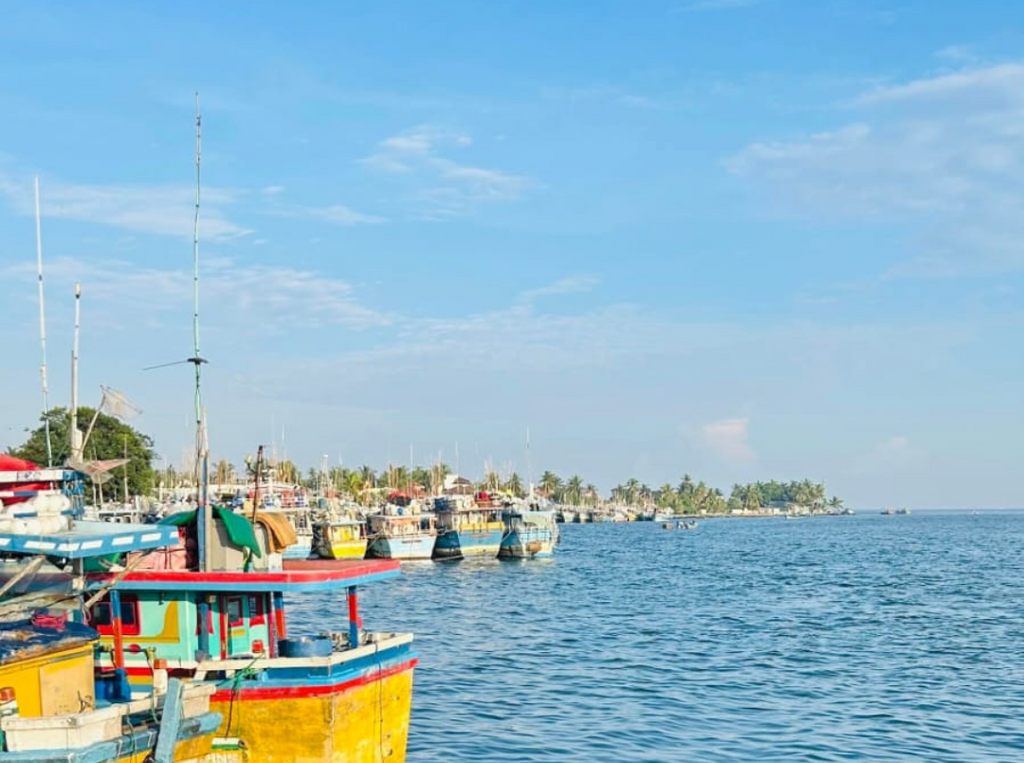
Negombo is a sprawling coastal town in Sri Lanka located just 08 - 15 km from the Bandaranayake International Airport, making it a popular first or last stop for travelers to rest at beach hotels, book tours, or visit the nearby Muthurajawela wetlands. Historically, the town was developed by the Dutch as a major cinnamon-trading hub complete with a fort and transport canals, and it remains the heartland of Christian Sri Lanka, characterized by numerous Catholic shrines and a local population (the Karavas) who converted during 16th-century Portuguese rule. Today, it stands as one of the island's most critical fishing ports, where the local economy thrives on catching tuna, shark, prawns, and crabs, and where hundreds of traditional, sail-driven catamarans called oruwas are still actively used by fishermen along the coast.
Distance from Colombo : 35 - 40 KM
Travel time from Colombo : 30 - 45 Min
Travel Mode from Colombo : Bus | Car/Van | Train
Distance from BIA : 08 - 15 KM
Travel time from BIA : 20 - 30 Min
Travel Mode From BIA : Bus | Car/Van

The Negombo Fish Market, locally known as the Lellama, is Sri Lanka's second-largest seafood market and a vibrant cultural hub located near the historic Negombo Lagoon. To experience its raw, high-sensory energy, visitors should arrive between 5:30 AM and 8:00 AM (excluding Sundays) when the beach comes alive with traditional fishing boats, frantic wholesale auctions for fresh tuna, prawns, and crabs, and the sight of thousands of fish being salted and sun-dried on vast mats.
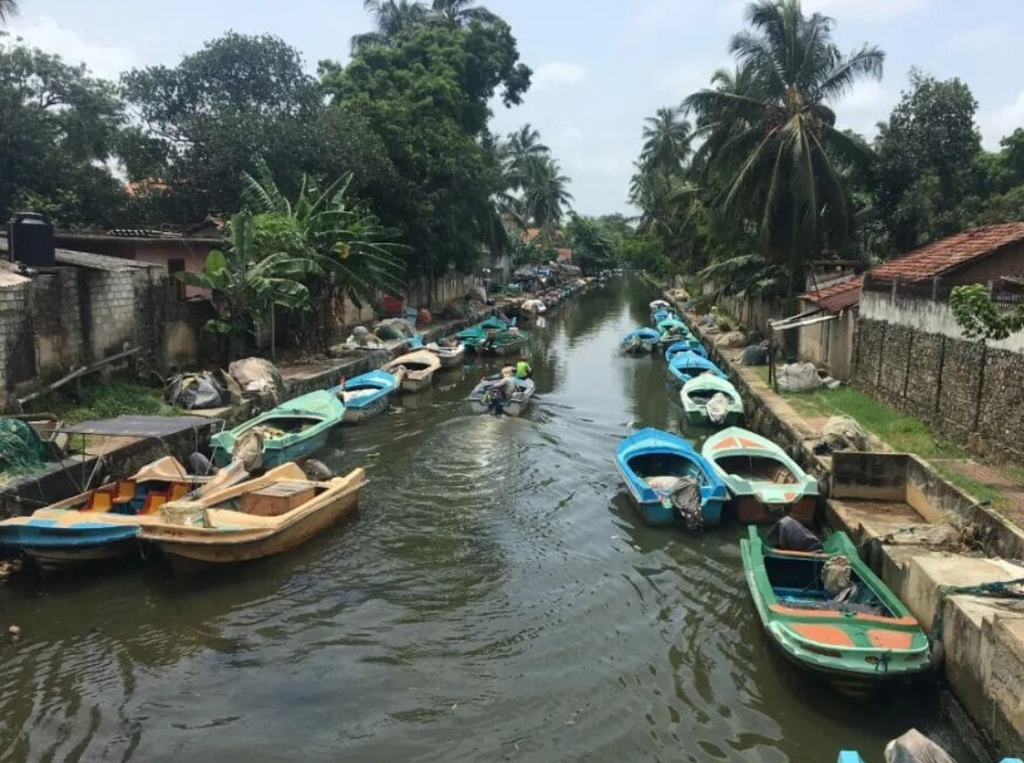
The Negombo Dutch Canal, officially known as the Hamilton Canal, is a historic 14.5-kilometer waterway running through Negombo that originally dates back to 15th-century indigenous routes before being heavily expanded by the Dutch and British to transport spices. Today, the canal has transitioned from a commercial freight lane into a peaceful eco-tourism corridor flanked by lush, serene mangrove ecosystems that are teeming with local wildlife like kingfishers, herons, and water monitors.
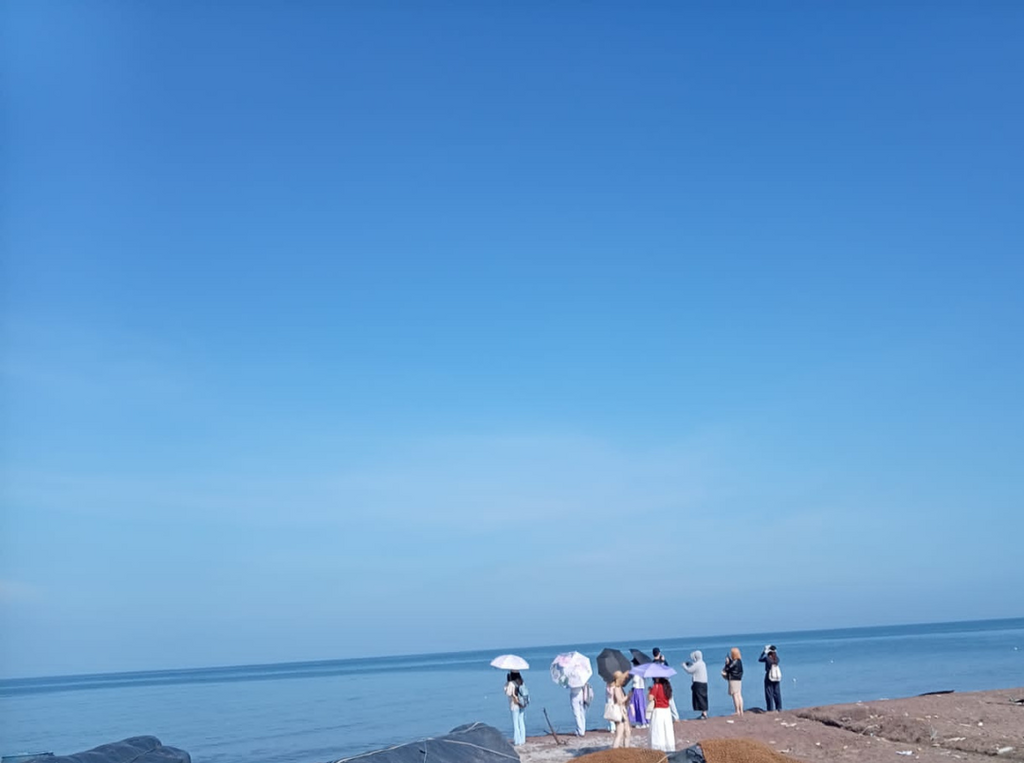
The Negombo Beach is a vast, golden-sand coastline that serves as an entry point for travelers visiting Sri Lanka. The coastline blends a public beach stretch with the vibrant local atmosphere of Browns Beach, where communities gather to fly kites, play sports, and launch traditional oruva sailing canoes.
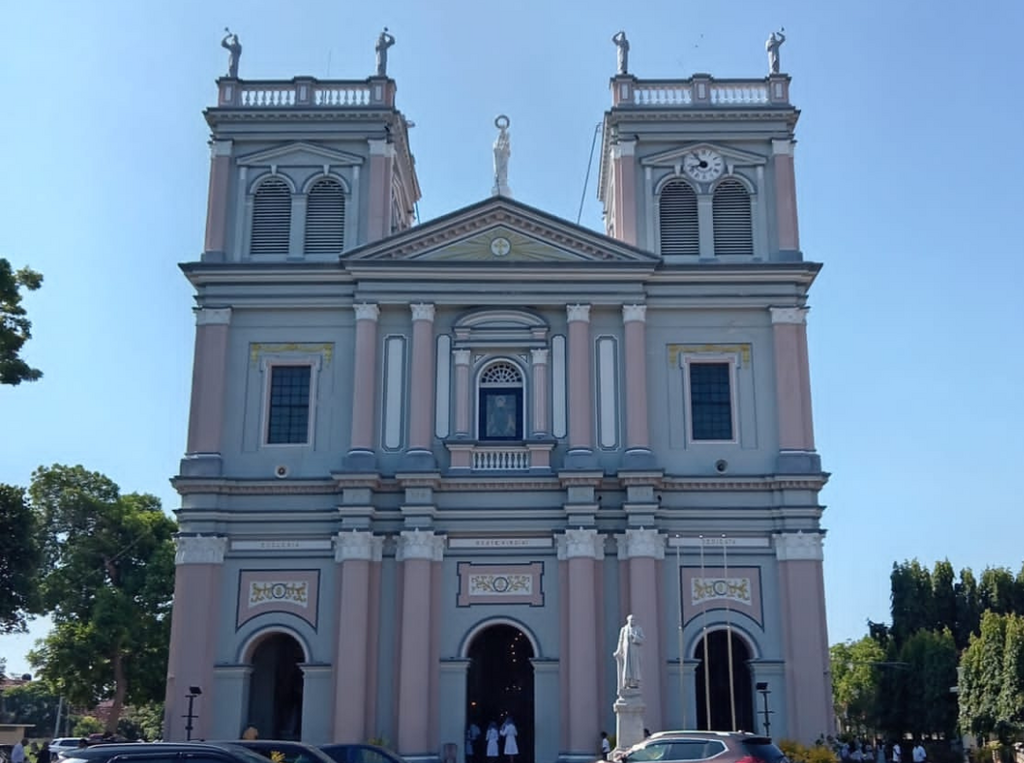
The St. Mary's Church in Negombo is one of the largest Catholic churches in Sri Lanka, completed in 1922 after nearly five decades of construction. This neoclassical landmark features an imposing facade with symmetrical towers and is famous for its vivid ceiling frescoes depicting the life of Christ, which were uniquely painted by a local Buddhist artist as a lasting symbol of inter-religious harmony.
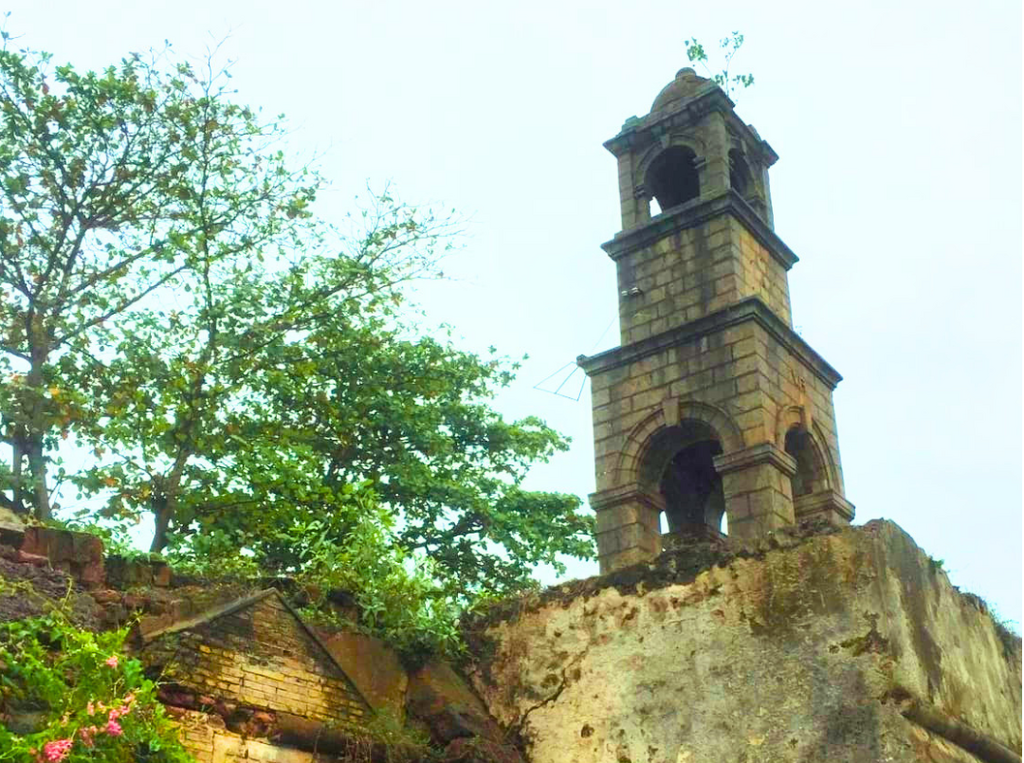
The Negombo Dutch Fort is a historic 17th-century colonial fortification originally built by the Portuguese to control the cinnamon trade before being captured and rebuilt by the Dutch in 1672. Today, the most prominent surviving features are its recessed arched stone gateway inscribed with the year 1678, portions of its old rampart walls, and a British-era clock tower.
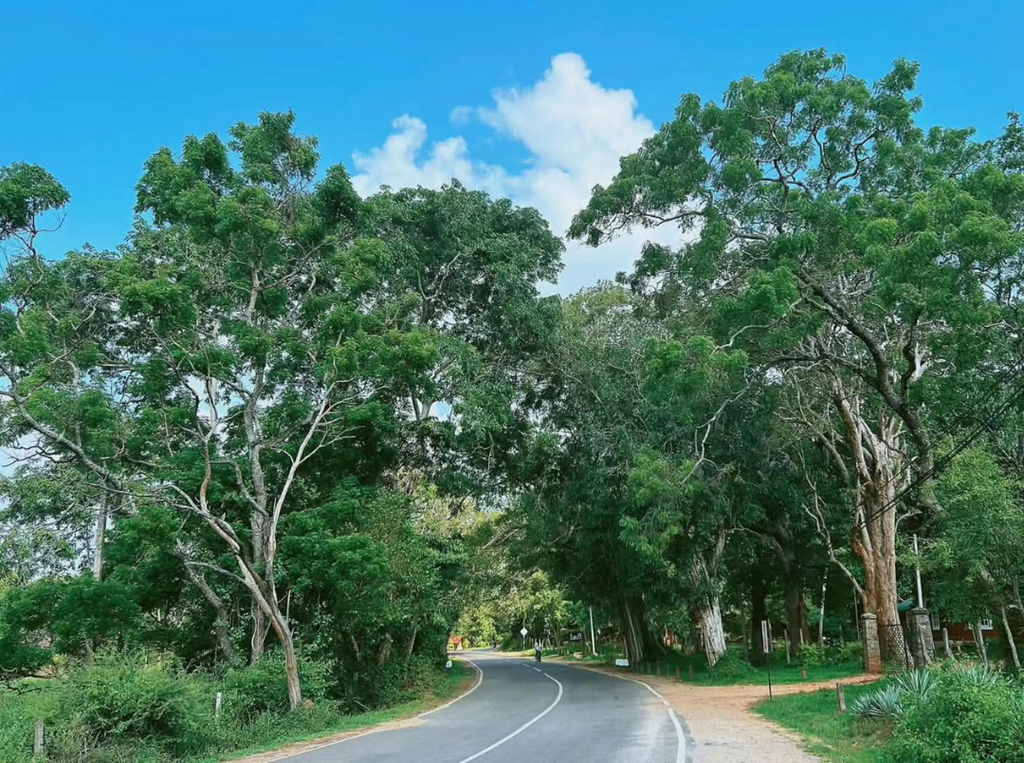
The Sigiriya area is a lush, rural landscape in Sri Lanka's Central Province, anchored by two massive, contrasting geological formations that dominate the horizon: the world-famous Sigiriya Lion Rock, a magnificent 5th-century palace fortress renowned for its colossal carved lion paws, and its rugged neighbor, Pidurangala Rock, which offers a peaceful cave temple complex and breathtaking panoramic views. In this vibrant region, wild Asian elephants roam freely, often spotted crossing fields near the Minneriya and Hurulu Eco Parks. Life here beautifully blends ancient tradition with modern hospitality, offering visitors a peaceful countryside experience filled with organic farming villages, scenic birdwatching trails, and dramatic viewpoints.
Distance from Colombo : 170 - 180 KM
Travel time from Colombo : 03 - 04 Hours
Travel Mode from Colombo : Bus | Car/Van
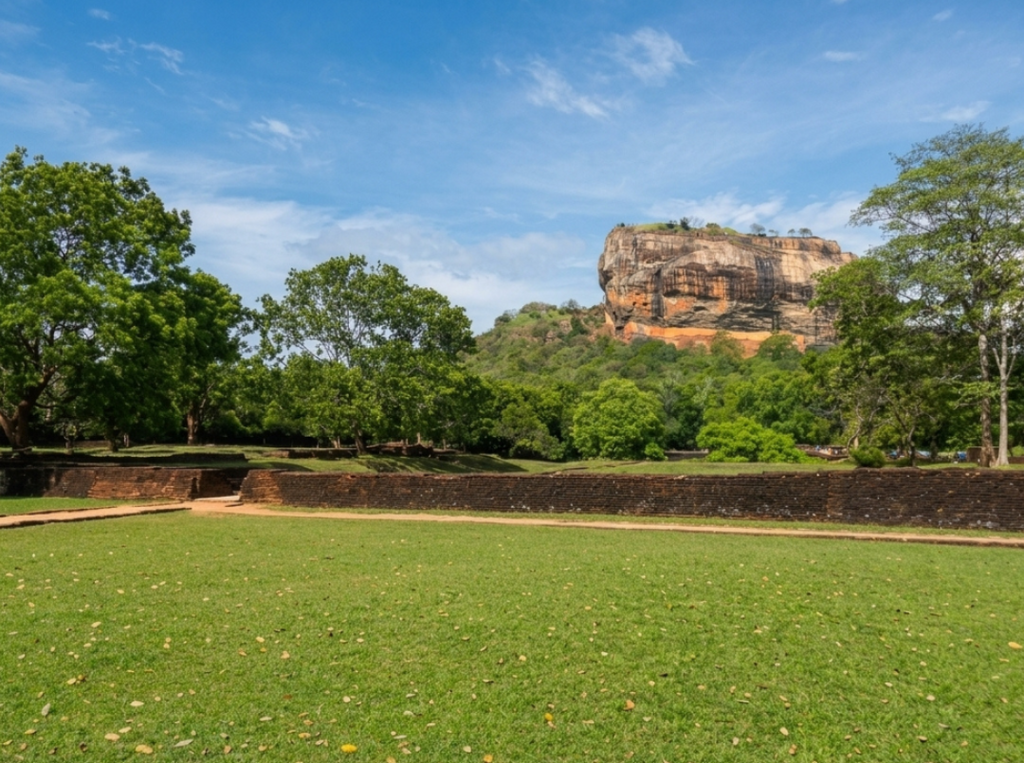
Sigiriya Lion Rock is a magnificent 5th-century palace fortress built by King Kashyapa I atop a massive, 180-meter-high granite column in central Sri Lanka. A UNESCO World Heritage Site, it is famously dubbed the "Eighth Wonder of the World" due to its advanced ancient engineering, which includes some of the world's oldest landscaped water gardens and a highly polished "mirror wall" covered in historic graffiti.
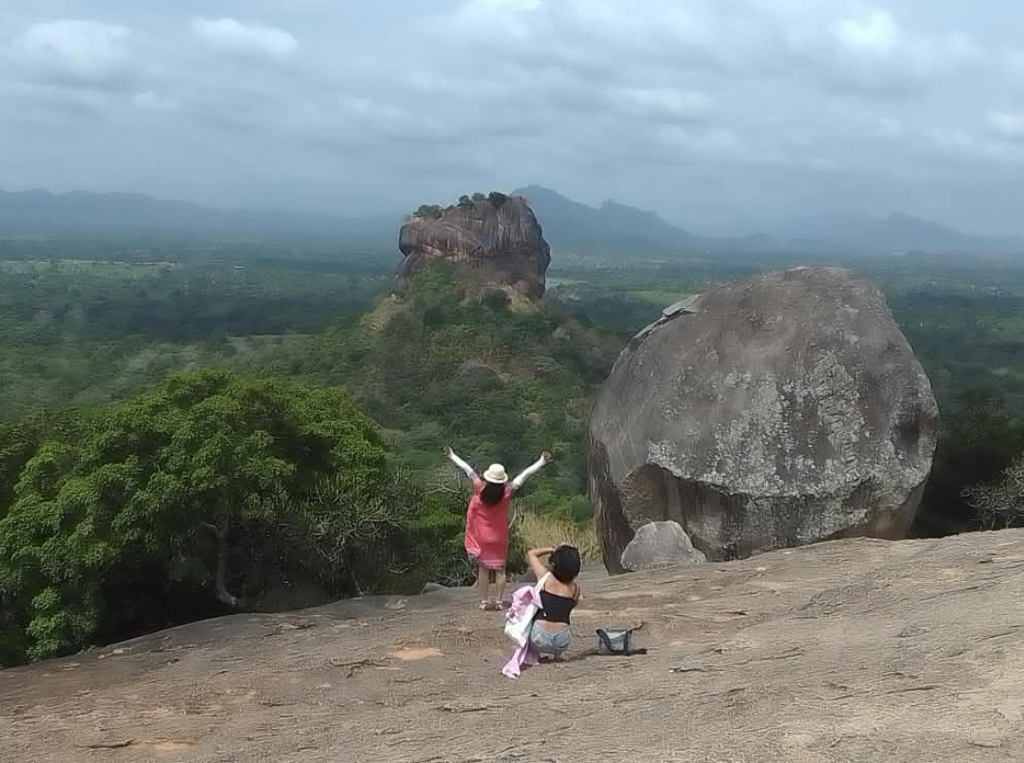
Pidurangala Rock is a massive geological formation located directly opposite [Sigiriya Lion Rock] that serves as an adventurous, budget-friendly alternative for travelers. A 15-to-35-minute hike takes you past an ancient cave temple and a large reclining Buddha statue, ending with a thrilling scramble over giant boulders. The flat summit rewards climbers with the ultimate 360-degree panoramic view of the fortress and surrounding valley, making it the premier spot in the area for sunrise and sunset.
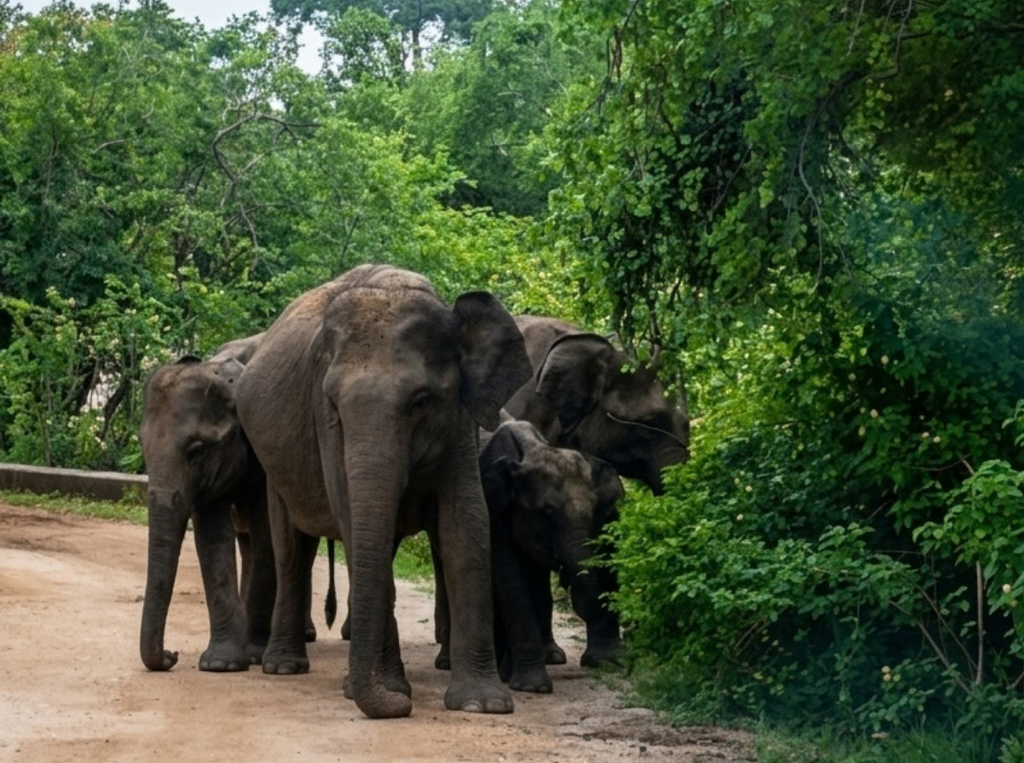
Minneriya National Park is a Sri Lankan wildlife sanctuary world-famous for "The Gathering," where hundreds of wild Asian elephants congregate around an ancient reservoir during the dry season (July to October). Spanning 8,890 hectares of dry-zone forest and wetlands, it offers premier safari experiences to witness these massive herds alongside leopards, sloth bears, and diverse birdlife.
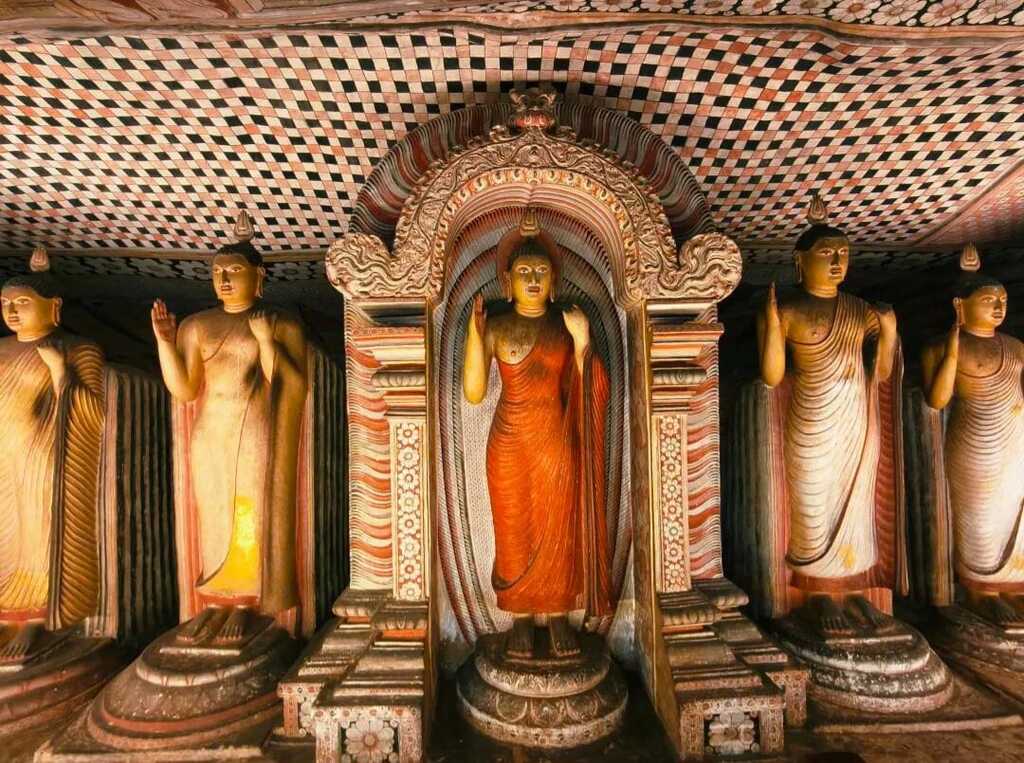
Dambulla is Famous for Dambulla Cave Temple and it is Sri Lanka’s largest and best-preserved cave monastery complex, featuring five distinct caverns carved into a massive 160-meter granite rock face. Dating back to the 1st century BCE when it served as a refuge for an exiled king, this active sacred pilgrimage site houses 153 Buddha statues and 2,100 square meters of vibrant, historic murals. Reaching the summit requires a 15-to-20-minute uphill climb of roughly 350 stone steps, where visitors must adhere to a strict dress code covering shoulders and knees, and remove footwear before entering the holy courtyards.
Distance from Colombo : 150 - 160 KM
Travel time from Colombo : 3.5 - 4.5 Hours
Travel Mode from Colombo : Bus | Car/Van
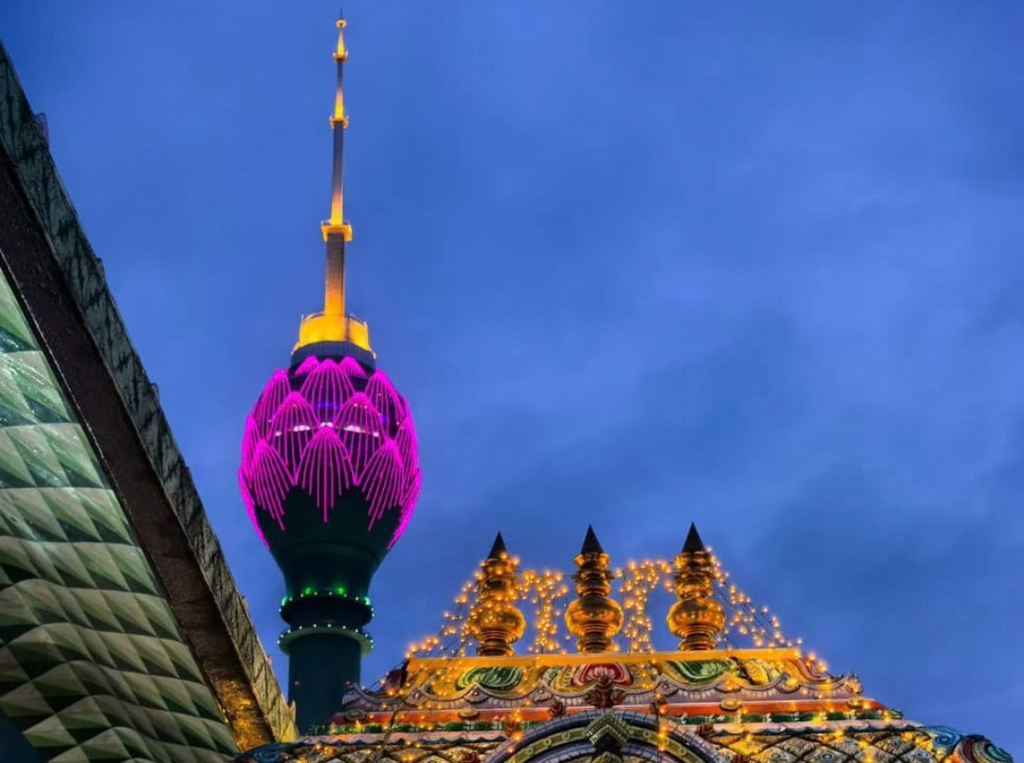
Colombo and its surrounding areas present a captivating fusion of history, modern architecture, and deep spiritual heritage across its diverse urban landscape. Exploring the city reveals iconic modern architectural marvels like the soaring Lotus Tower, the state-of-the-art Lotus Pond Theatre, and the sprawling BMICH conference complex. The city’s rich history and governance are prominently showcased at the Colombo National Museum, the grand Municipal Council building overlooking Viharamahadevi Park, the colonial-era Old Parliament Building, and the stone-carved Independence Square monument. Colombo’s diverse religious tapestry is beautifully woven through the vibrant, artifact-filled Gangaramaya Temple on Beira Lake, the ancient Kelaniya Temple revered for the Buddha's historic visit, and the 18th-century Dutch colonial Wolvendaal Church. These cultural treasures are perfectly complemented by relaxing coastal escapes, ranging from the lively urban promenade of Galle Face Green to the golden sands and historic beachfront vibe of Mount Lavinia Beach.
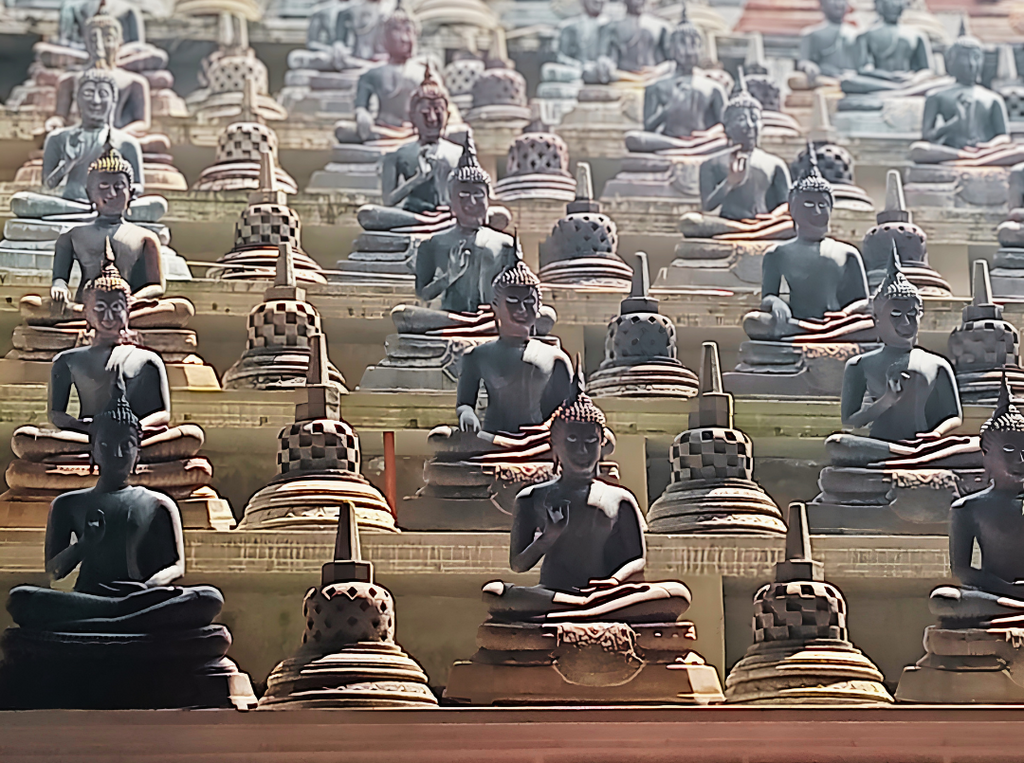
The Gangaramaya Temple is an iconic Buddhist complex in Colombo located near Beira Lake, renowned for its eclectic mix of Sri Lankan, Thai, Indian, and Chinese architecture. It serves as both a busy place of worship and a museum housing an immense collection of artifacts, vintage cars, and sacred relics. The temple also includes the serene, floating Seema Malaka shrine designed by Geoffrey Bawa and hosts Colombo's massive annual Navam Maha Perahera festival every February.
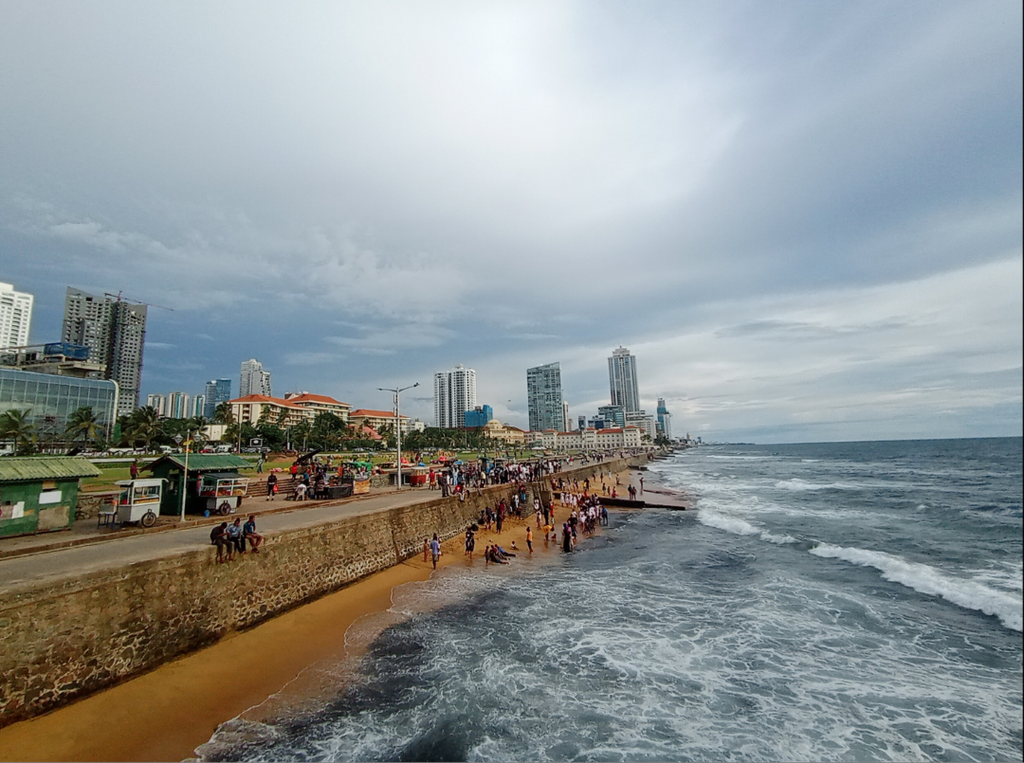
Stretching for half a kilometer alongside Colombo's financial center, Galle Face Green is a spectacular oceanfront urban park and the country's largest public promenade. Originally established in 1859 by British Governor Sir Henry George Ward for military parades and horse racing, this sprawling coastal expanse has evolved into Sri Lanka's most cherished open-air gathering spot. Today, it is immensely popular among locals and tourists alike for its vibrant street food stalls, colorful kite flying, and unparalleled sunset vistas over the Indian Ocean.
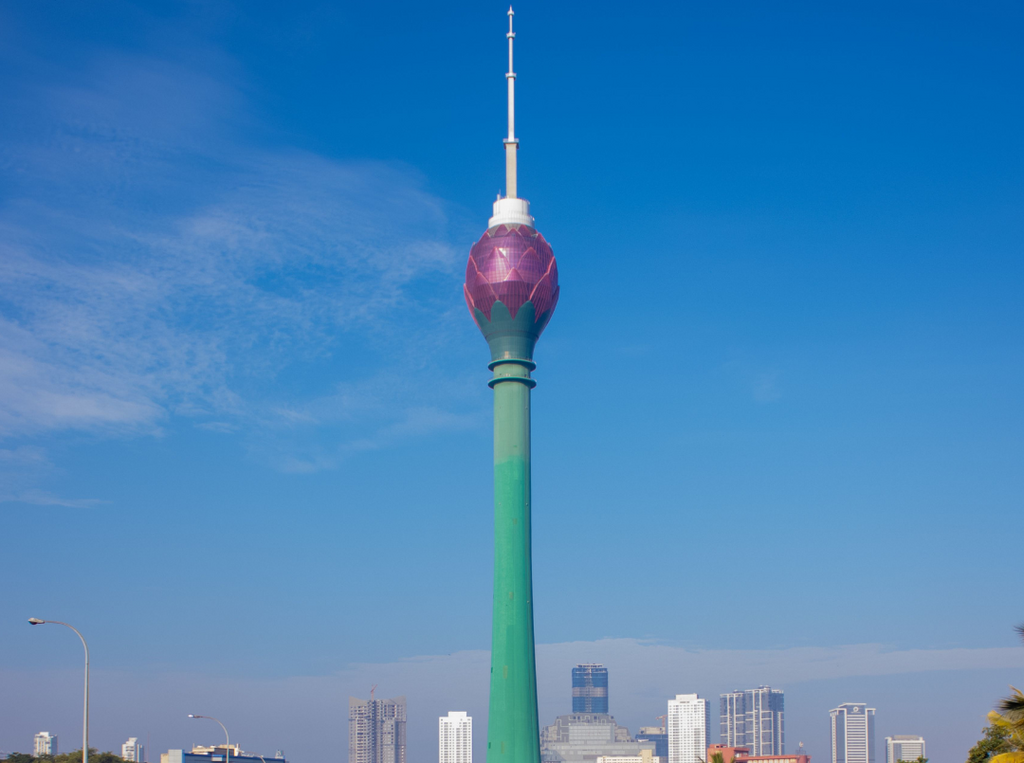
Dominating the modern skyline of the commercial capital since its grand opening in September 2022, the Colombo Lotus Tower (locally called the Nelum Kuluna) stands as a 356-meter-high architectural marvel and the tallest self-supported structure in South Asia. Styled to resemble a blooming lotus bud with a distinct green-and-purple facade, this contemporary landmark functions as a major technological center for digital broadcasting, a high-end tourist attraction, and a striking icon of urban Sri Lanka.
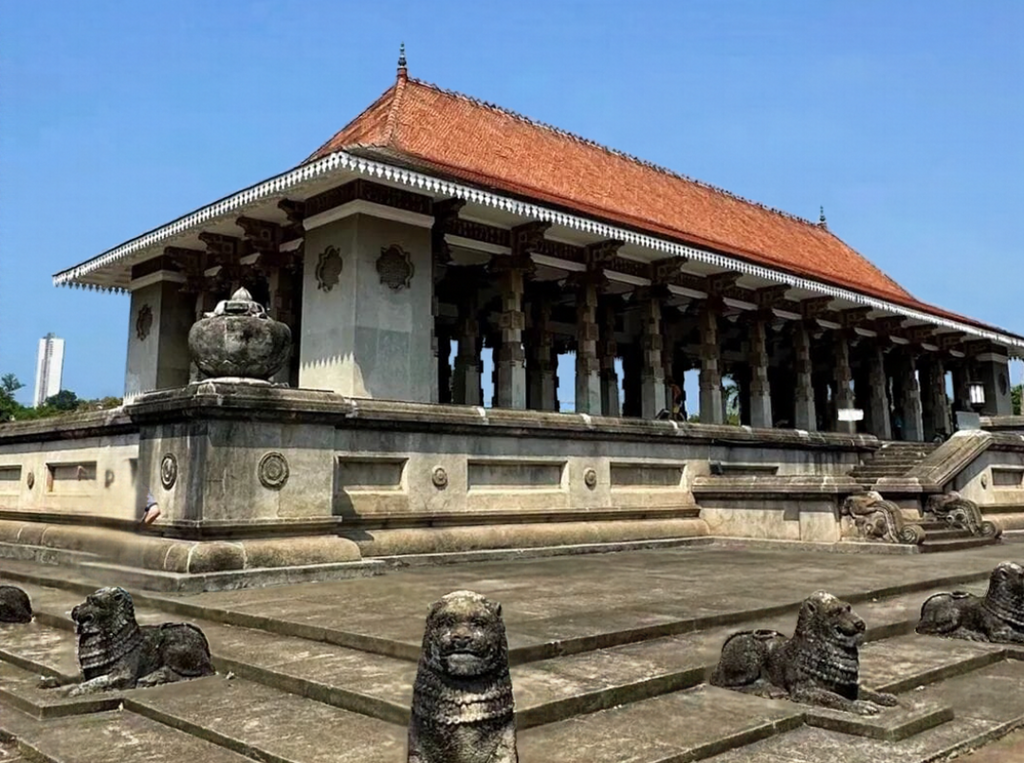
Constructed to honor Sri Lanka's liberation from British colonial rule on February 4, 1948, the Independence Memorial Hall—frequently called Independence Square—is a premier national monument in Colombo. Situated amidst the sprawling lawns and paved jogging paths of the elite Cinnamon Gardens district, this grand stone pavilion functions as a deeply respected historical landmark while simultaneously thriving as a favorite recreational park for residents and international visitors.
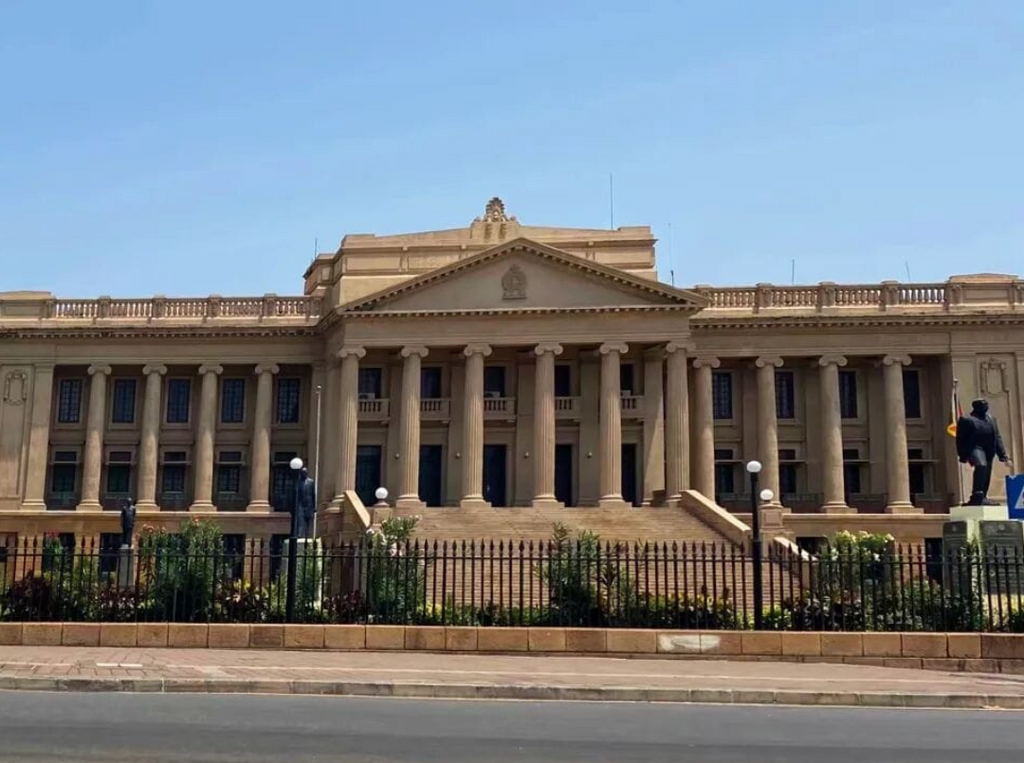
Commandingly positioned at the northern edge of Galle Face Green facing the Indian Ocean, the Old Parliament Building stands as a premier colonial landmark in Colombo, renowned for its grand Neo-Baroque style. For over half a century, its historic halls served as the epicenter of Sri Lanka's legislative governance before the structure transitioned into its modern role as the country's primary executive administrative hub.
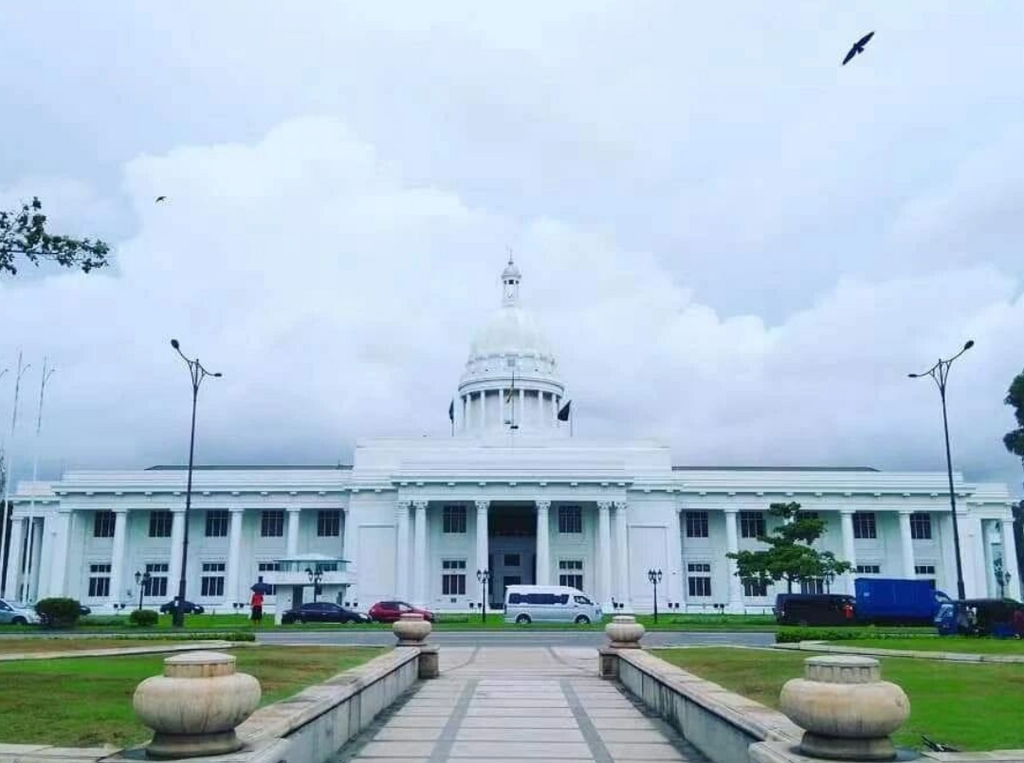
Founded in 1865, the Colombo Municipal Council (CMC) stands as Sri Lanka’s oldest and largest local government body, as well as one of South Asia’s earliest municipal institutions. The council is responsible for the civic infrastructure, urban planning, and governance of the island's primary commercial capital, serving hundreds of thousands of daily commuters and permanent residents alike.
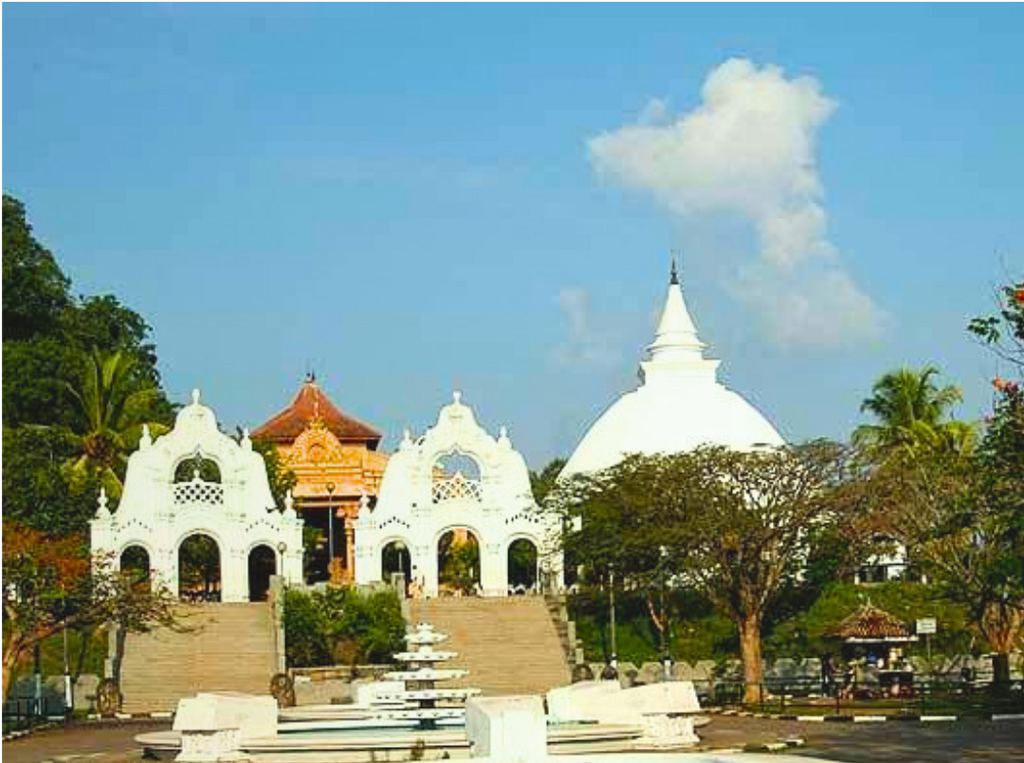
Situated peacefully along the banks of the Kelani River, the Kelaniya Raja Maha Viharaya (widely referred to as the Kelaniya Temple) stands as one of Sri Lanka's most revered and historically prominent Buddhist landmarks. Found in Kelaniya, roughly 11 km northeast of downtown Colombo, the sacred site draws millions of global travelers and local devotees each year.
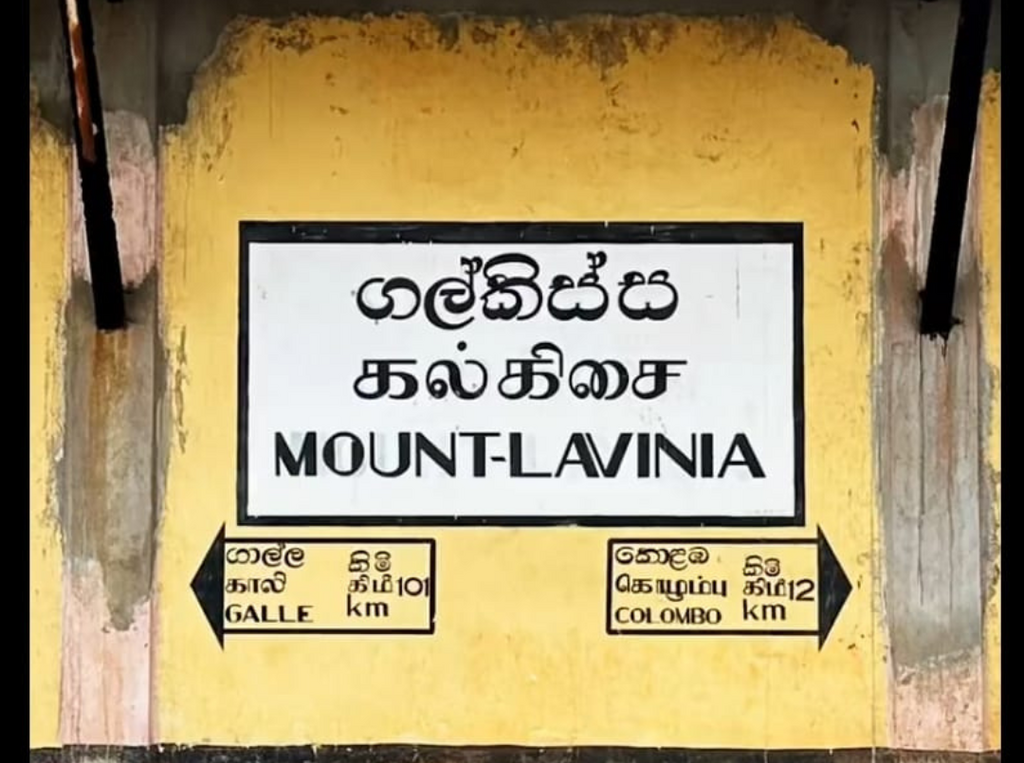
A brief, scenic trip south of central Colombo brings you to Mount Lavinia, a lively coastal suburb famous for its golden sands and rich heritage. The Mount Lavinia Railway Station sits conveniently on the historic Coastal Line, placing travelers just a 10-minute walk from the shoreline. Step off the train straight onto Mount Lavinia Beach to experience spectacular, unobstructed Indian Ocean sunsets. The bustling shore is packed with seaside bars, fresh seafood eateries, and vibrant hotels, making it the perfect getaway for relaxing evening strolls or dynamic oceanfront nightlife.
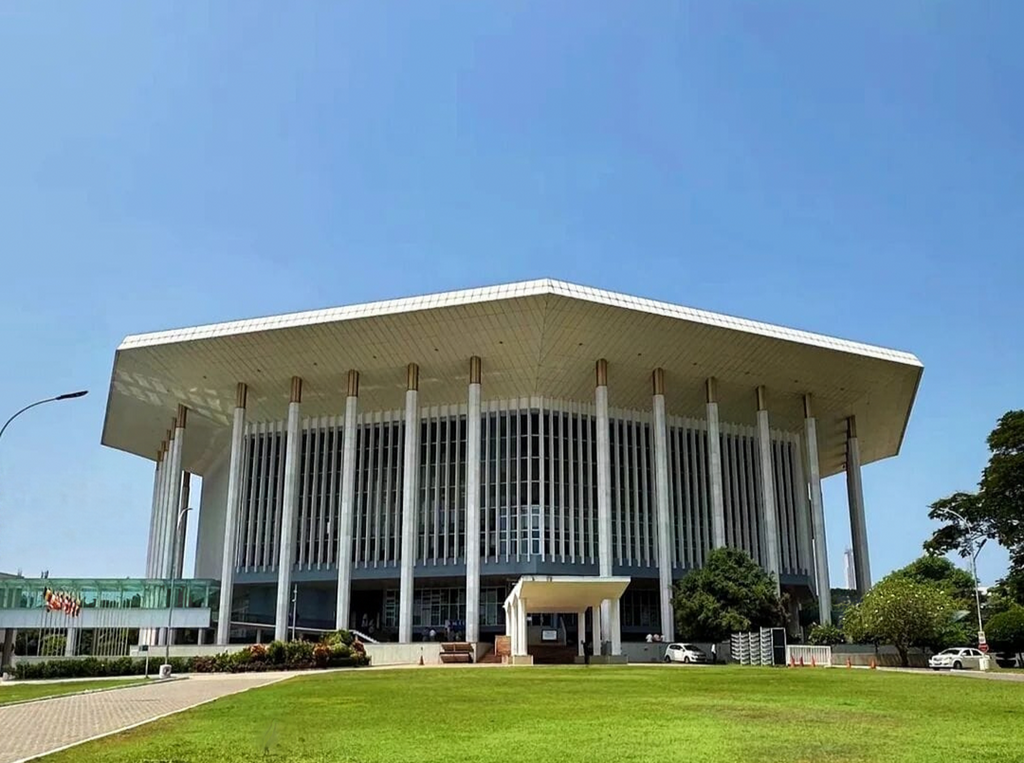
Serving as Sri Lanka's foremost event venue and convention hub, the Bandaranaike Memorial International Conference Hall (BMICH) occupies a prime location in central Colombo. Constructed from 1970 to 1973, the distinctive octagonal landmark was presented as a gift from the People's Republic of China to honor the country's late Prime Minister, Solomon West Ridgway Dias Bandaranaike. The expansive 37-acre complex is the city's go-to destination for high-level global summits, major commercial exhibitions, live concerts, and university convocations.
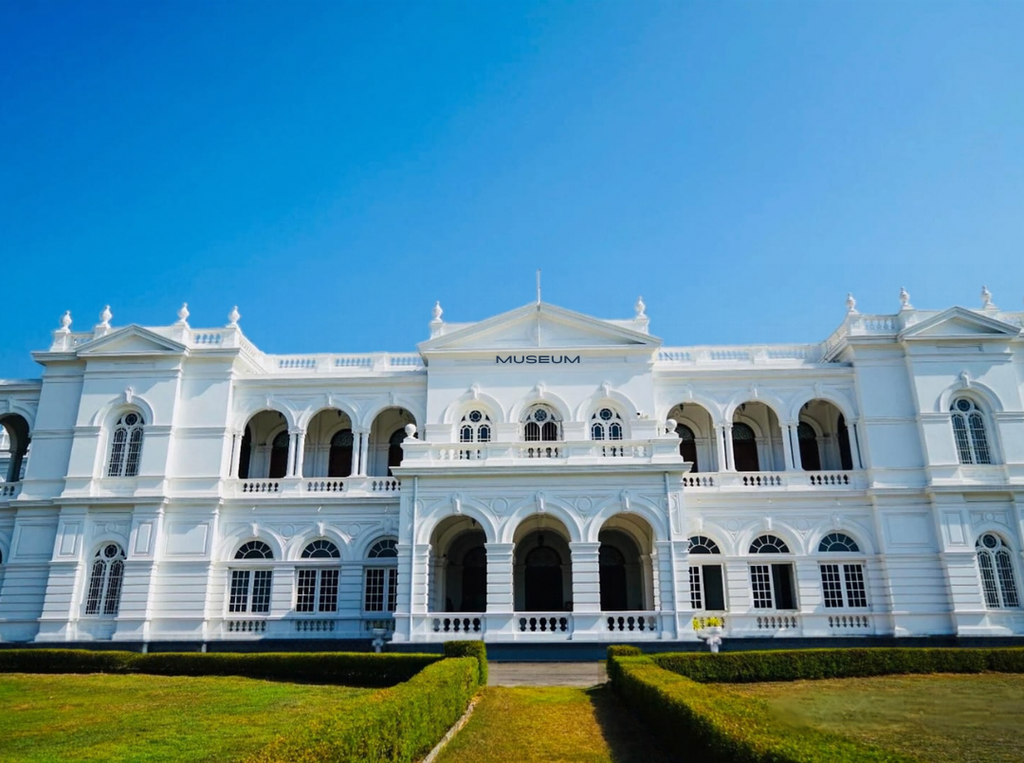
The National Museum of Colombo, inaugurated by British Governor Sir William Gregory on January 1, 1877, stands as Sri Lanka's oldest and largest museum. It serves as the premier guardian of the country's ancient historical artifacts and natural heritage. Housed within a grand, white 19th-century Italianate mansion, the iconic landmark is framed by sprawling, peaceful grounds dominated by majestic banyan trees.
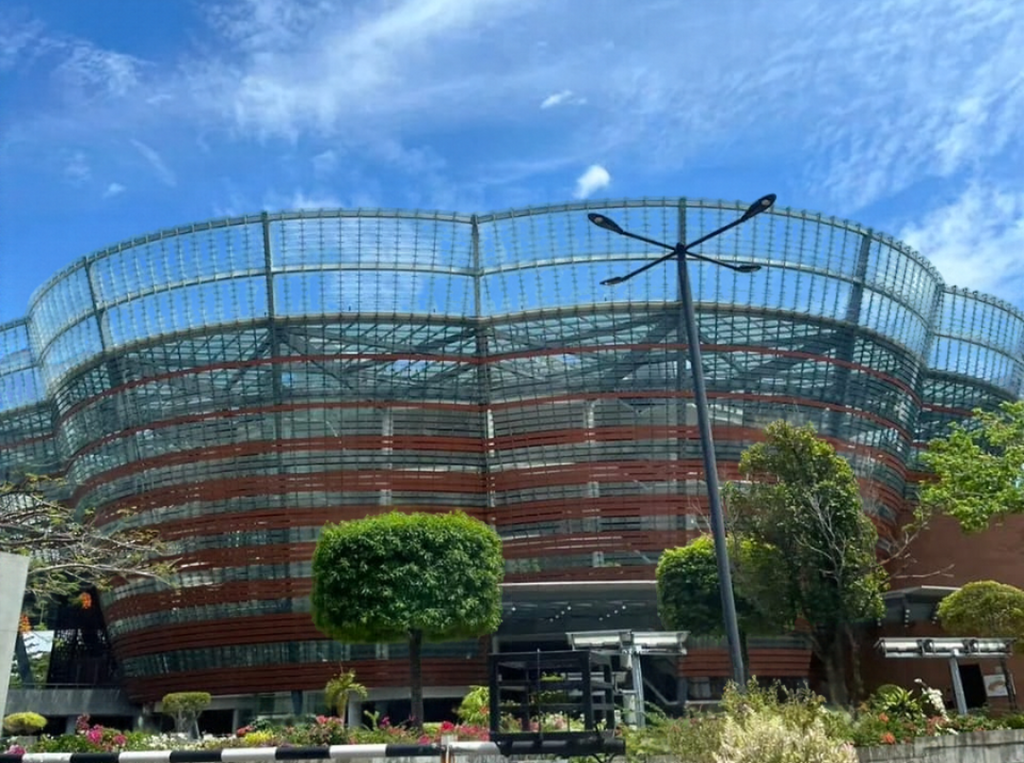
The Nelum Pokuna Theatre, or Lotus Pond Theater, is a premier performing arts complex opened on December 15, 2011, in Cinnamon Gardens, Colombo 7. It serves as Sri Lanka's national hub for large-scale concerts, plays, and operas. Celebrated for its unique architecture, the building's stylized, blooming lotus design draws direct inspiration from the 12th-century Nelum Pokuna ritual bath built by King Parakramabahu the Great in ancient Polonnaruwa.
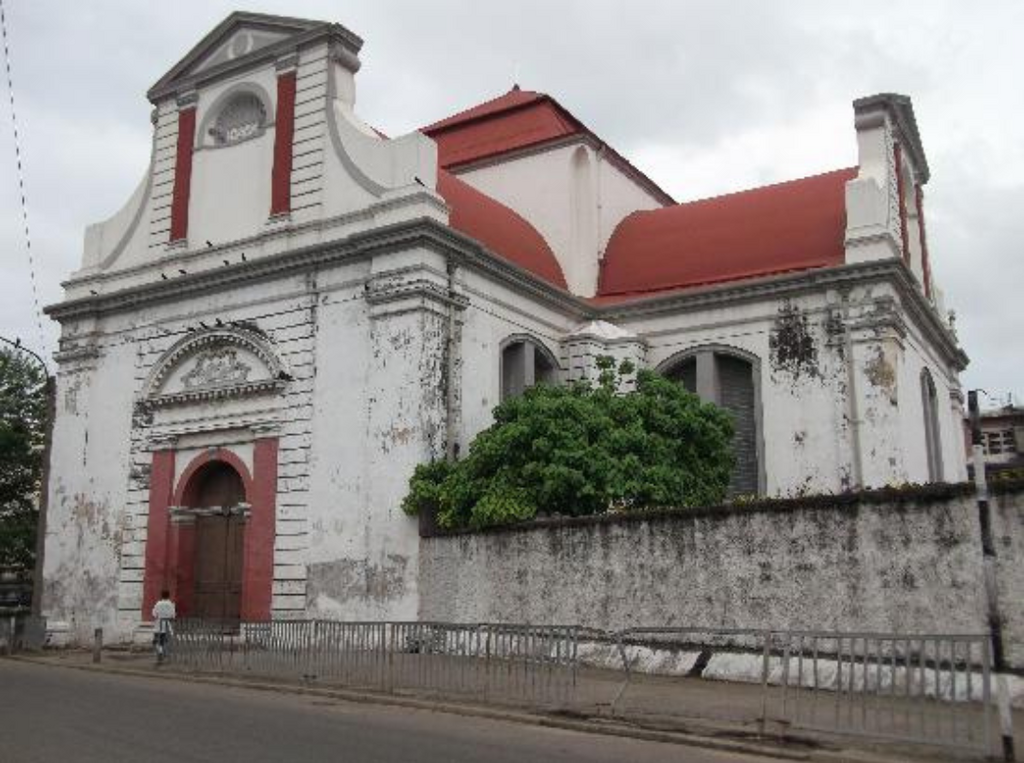
The Wolvendaal Church, built in Colombo in 1757 by the Dutch East India Company, is a major Dutch colonial landmark and one of the oldest active Protestant churches in Sri Lanka. Designed in a Greek cross shape with massive 1.5-meter-thick coral and "kabok" walls, it earned its name ("Wolf’s Dale") after Dutch settlers mistook local jackals for wolves. Today, this historic site houses centuries-old tombstones and continues to hold active services.